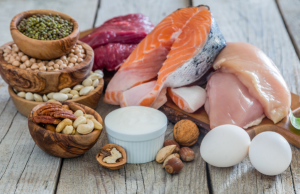
 When we talk about nutrition for type 2 diabetes, the focus is often placed on individual foods — what is “allowed” and what should be avoided. However, based on both research and personal experience, the way foods are combined on the plate can be just as important as the foods themselves.
I do not use the language of “fat burning” or quick results. Instead, I focus on more realistic and sustainable mechanisms:
- more stable blood sugar levels
- reduced glucose spikes after meals
- longer-lasting satiety
- fewer cravings and impulsive snacking
Over time, these factors can create conditions that support gradual weight reduction, especially for people living with type 2 diabetes.
Why Food Pairings Matter
Combining fiber, protein, healthy fats, and slow-digesting carbohydrates helps:
- slow down glucose absorption
- reduce sharp insulin responses
- support insulin sensitivity
- keep energy levels more consistent throughout the day
Some of these principles are well supported by nutritional science, while others are confirmed through practical, real-life observation. I always try to clearly separate evidence-based mechanisms from personal experience and avoid promising unrealistic results.
The recipes below are built around these principles — simple, balanced meals designed to support metabolic stability rather than restriction.
A Practical, Supportive Approach
Instead of focusing on “perfect” foods, I encourage paying attention to:
- how long a meal keeps you full
- how your energy levels feel afterward
- whether cravings appear shortly after eating
For many people with type 2 diabetes, meals that combine legumes, whole grains, vegetables, protein, and fermented foods tend to feel more satisfying and easier to maintain over time.
This approach does not replace medical advice, but it can be a helpful, everyday strategy for building more stable eating habits.
How to Use These Recipes
The following recipes are designed to:
- support steady blood sugar levels
- promote satiety
- fit easily into everyday routines
They are not meant to be “diet food,” but normal, nourishing meals that work with the body rather than against it.
A Note on Individual Differences
Nutrition is highly individual. What works well for one person may feel different for another. These combinations are offered as practical examples, not strict rules.
Listening to your body, monitoring your blood sugar responses, and working with your healthcare provider remain essential parts of managing type 2 diabetes.
The nutritional information provided with the recipes is approximate and intended for educational purposes only. It should not be considered medical advice.
This is part of a bigger system.
→ join here https://www.facebook.com/groups/733506496261551