We often talk about eating as if it exists separately from life.
As if we could “fix our diet” without taking into account fatigue, anxiety, the news, responsibilities, or sleepless nights.
But food has always been part of adaptation, not just discipline.
In difficult periods, it becomes:
– a pause,
– a source of comfort,
– a sense of safety,
– sometimes the only available way to support ourselves.
This does not make us weak.
It makes us human.
Problems begin not when we eat imperfectly,
But when food starts carrying too many roles — instead of rest, support, warmth, and connection.
That is why the path toward healthier eating does not begin with restrictions.
It begins with noticing and gentleness.
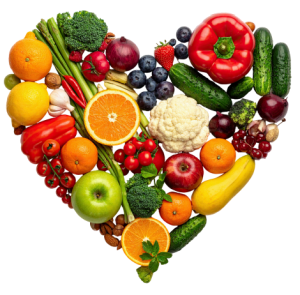 1. Small steps you can take today:
No “starting on Monday,” no pressure.
-dd, don’t remove!
Today, simply add something supportive to your meals:
– a vegetable,
– a piece of fruit,
– a handful of nuts,
– a warm soup.
No need to eliminate anything.
2. One meal without rushing
Choose one meal today and:
– sit down,
– put your phone away,
– take a few calm breaths before you start eating.
This alone is a practice of awareness.
3. Warm food for the nervous system
Warm meals (porridge, soups, stewed vegetables) often support us better than “perfectly healthy” but cold, rushed snacks.
4. A question instead of self-criticism
If you reach for food without physical hunger, try not to stop yourself, but to ask:
“What do I actually need right now?”
Sometimes the answer is food — and that is okay.
This is not about perfection.
It is about “good enough” and about care that can withstand real life.
If this approach resonates with you — stay.
Here, we will talk about food without fear, without pressure, and without war against ourselves
If you want the full structure behind this:
→ join here https://www.facebook.com/groups/733506496261551
or explore the full explanation in the book.